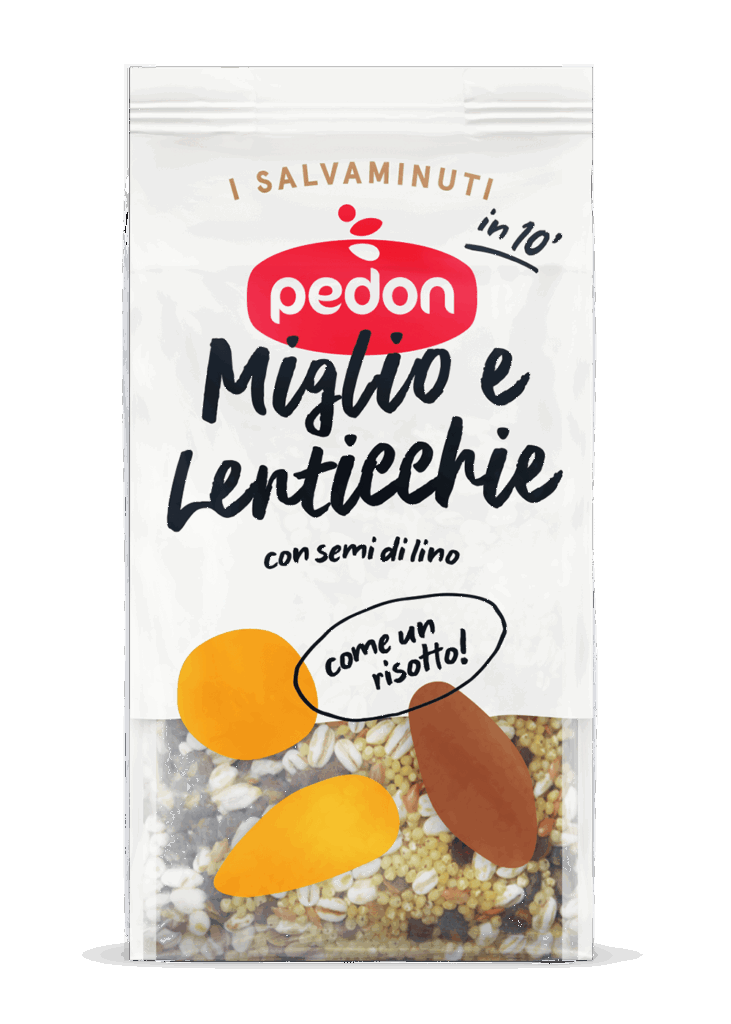
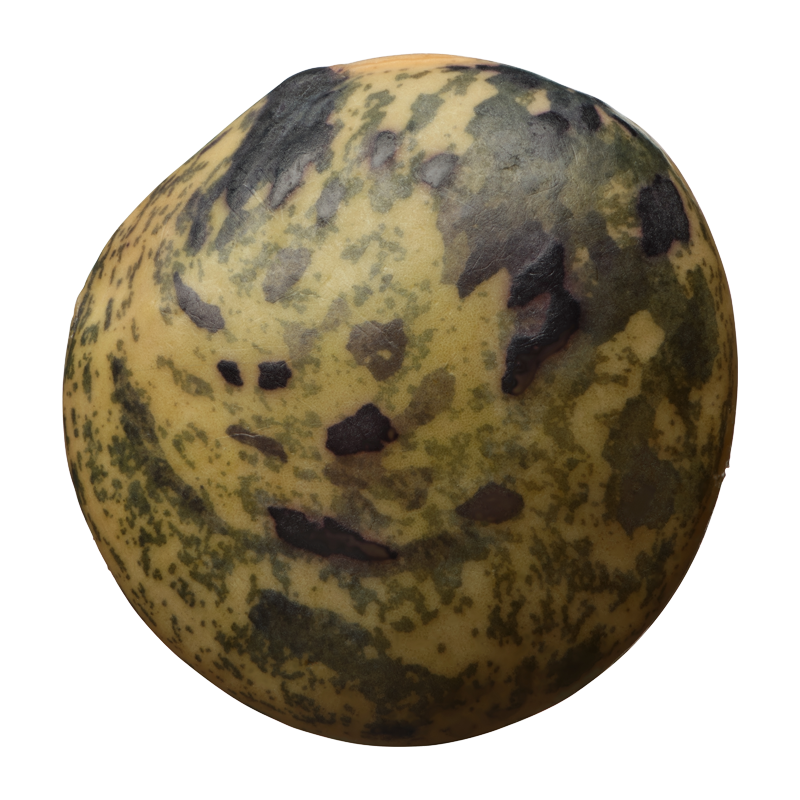
In the early 1300s, this little golden-yellow grain was eaten as polenta and used in bread-making. It was a favourite among the Germans; so much so that in their mythology the home of Goddess Holden, the protector of fertility, was a mound of millet. It’s also suitable for young infants and people recovering from an illness, as it’s easy to digest. As well as coeliacs, since it doesn’t contain gluten. Basically, there’s no reason why you shouldn’t eat it too.
Gluten-free.
High in fibre.
FSource of phosphorus and magnesium.
What a story!
Millet can be stored for a long time, and it is said that it helped save Venice when it was attacked by the Republic of Genoa in 1378.
Millet was a very popular food until the Medieval period, but after the discovery of the Americas it was abandoned in favour of maize.
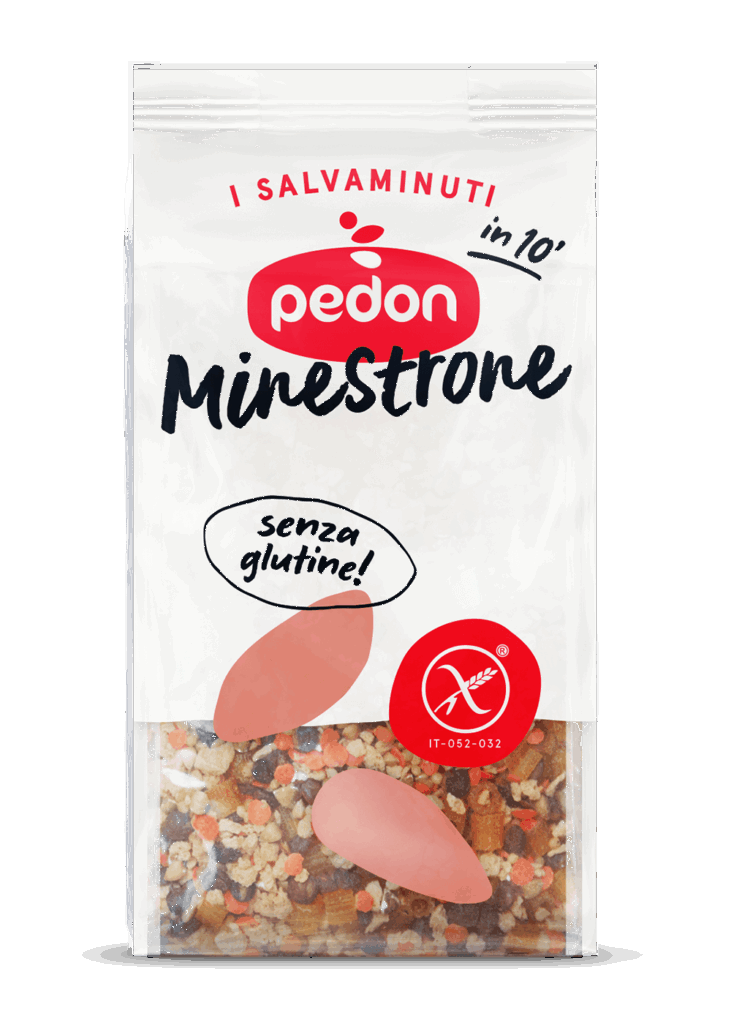
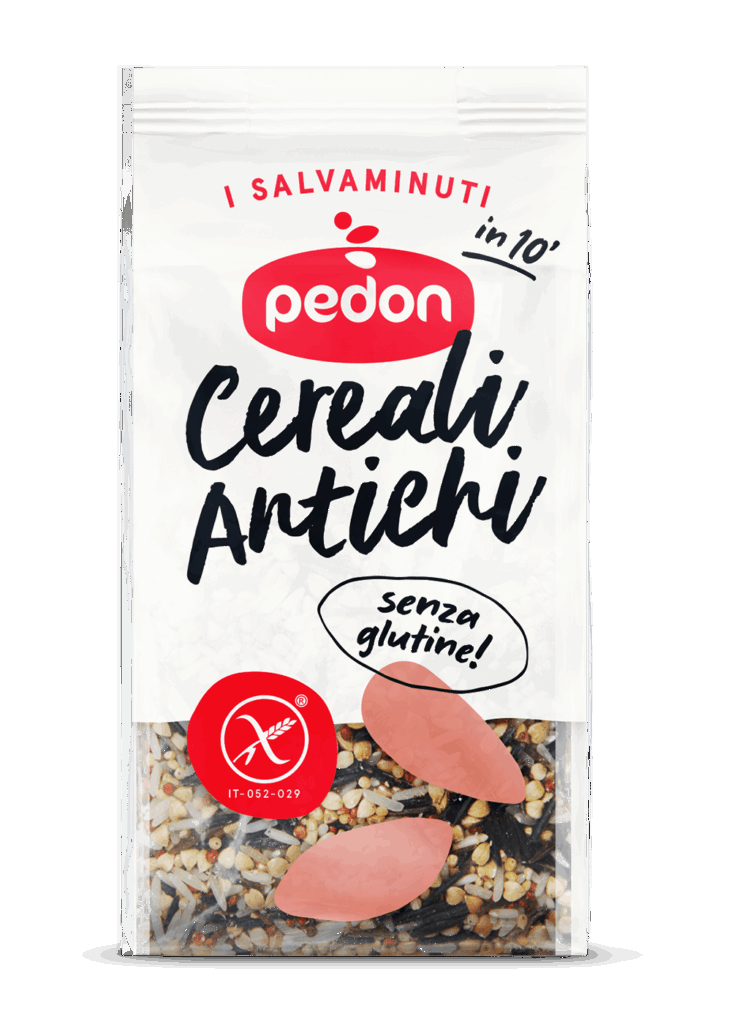
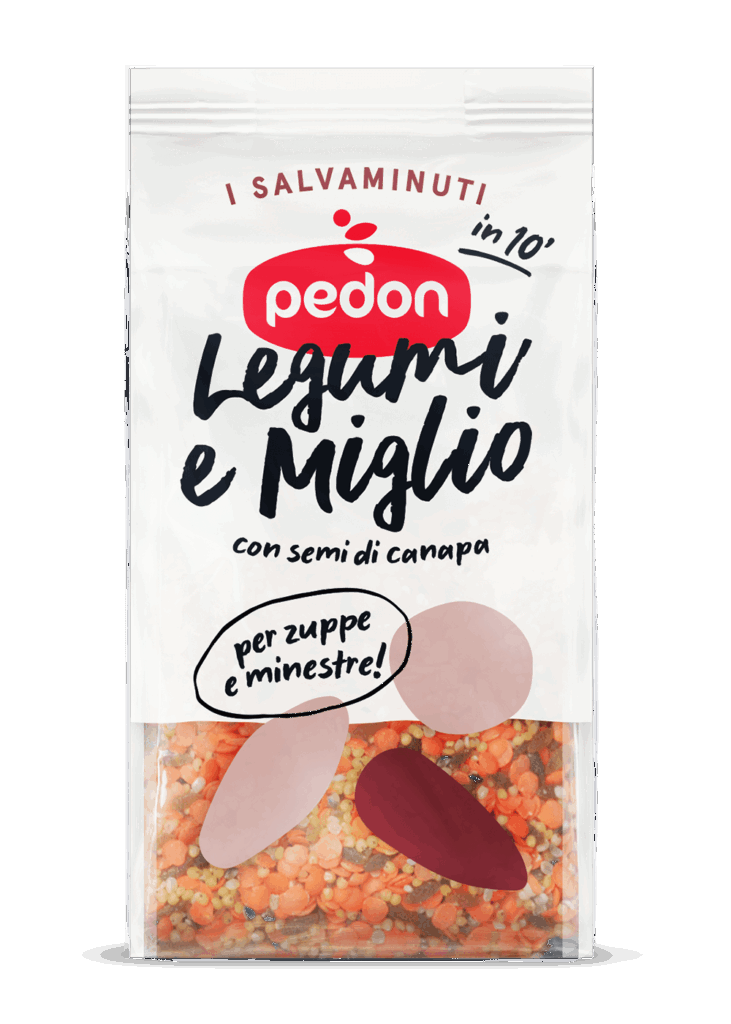
Our products made of Millet
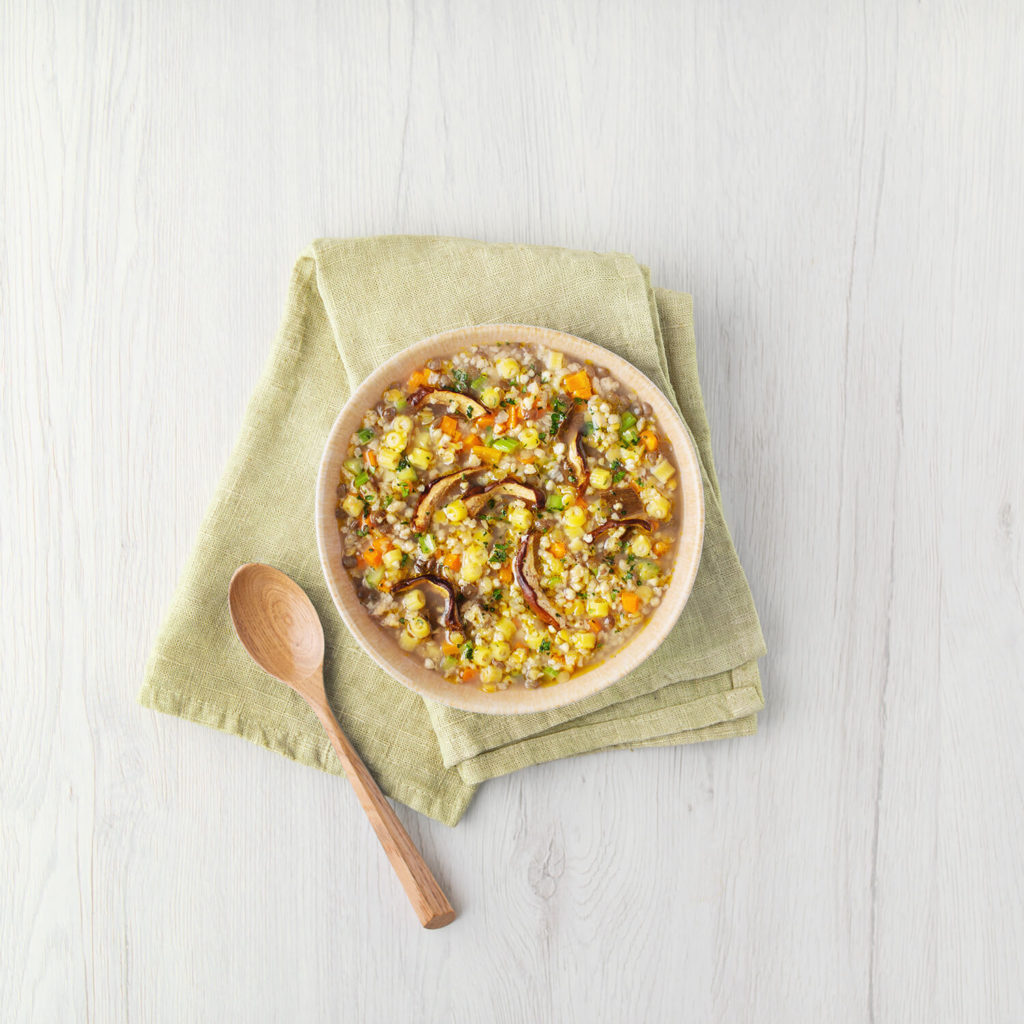
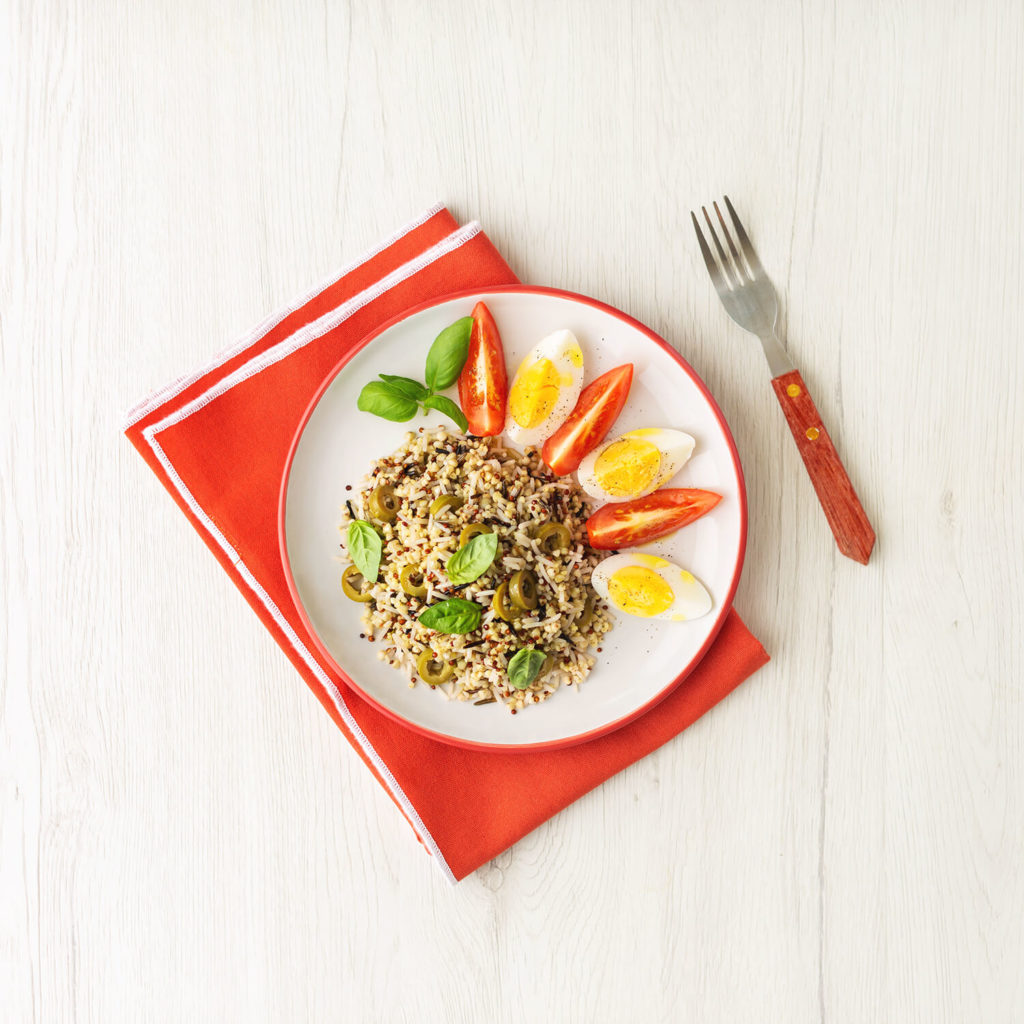
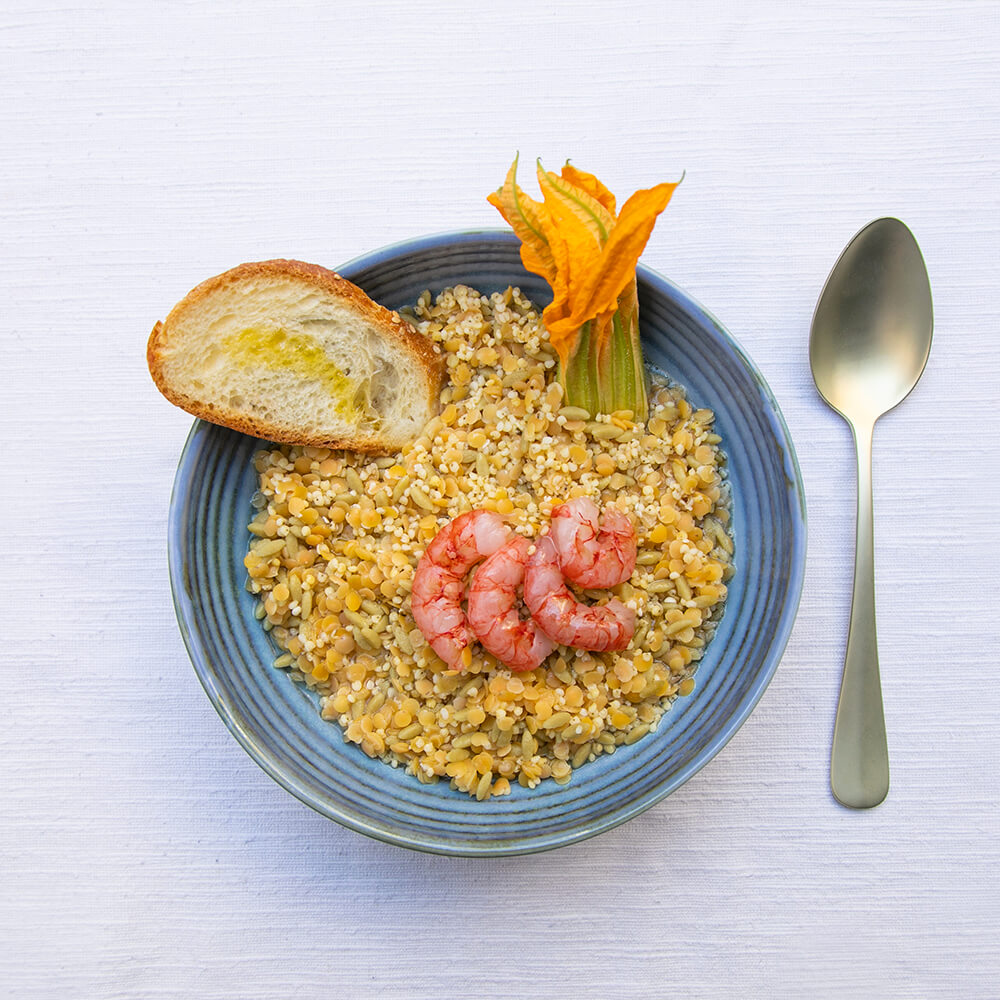
Look what you can cook up with millet.
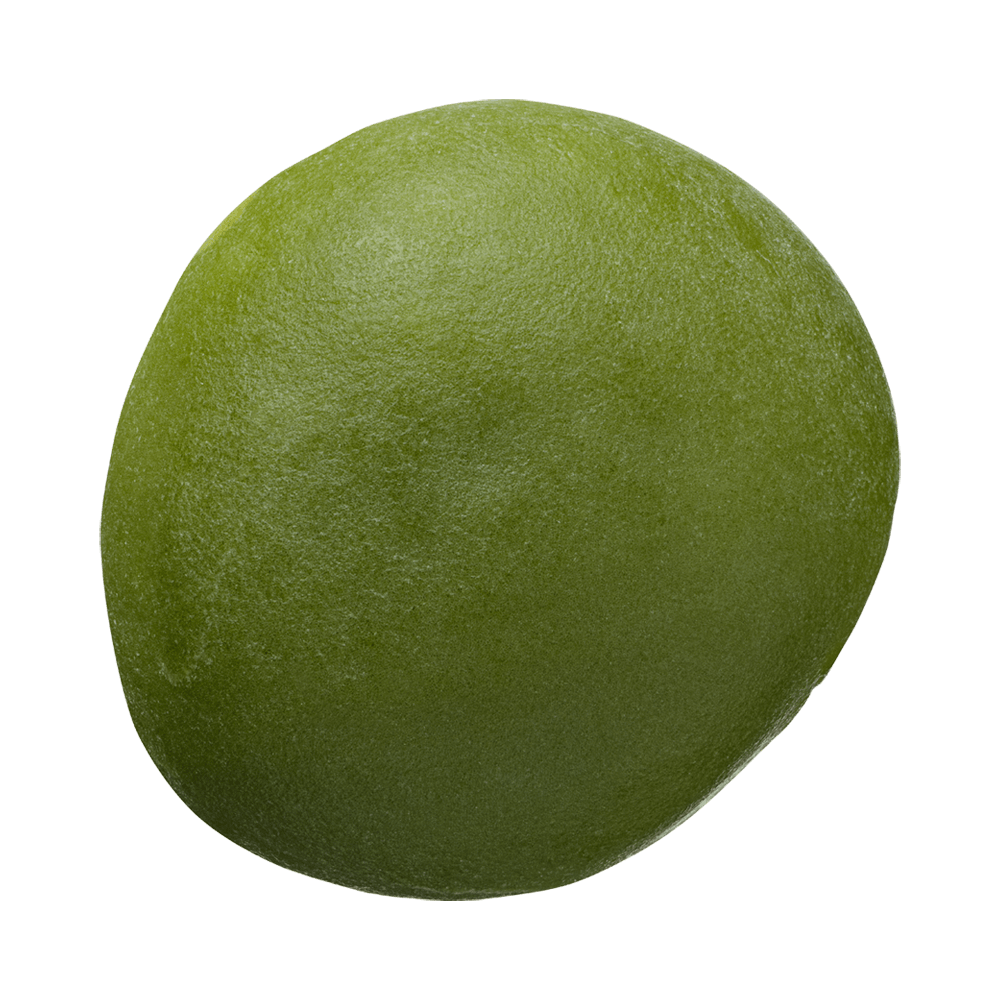
Green Peas
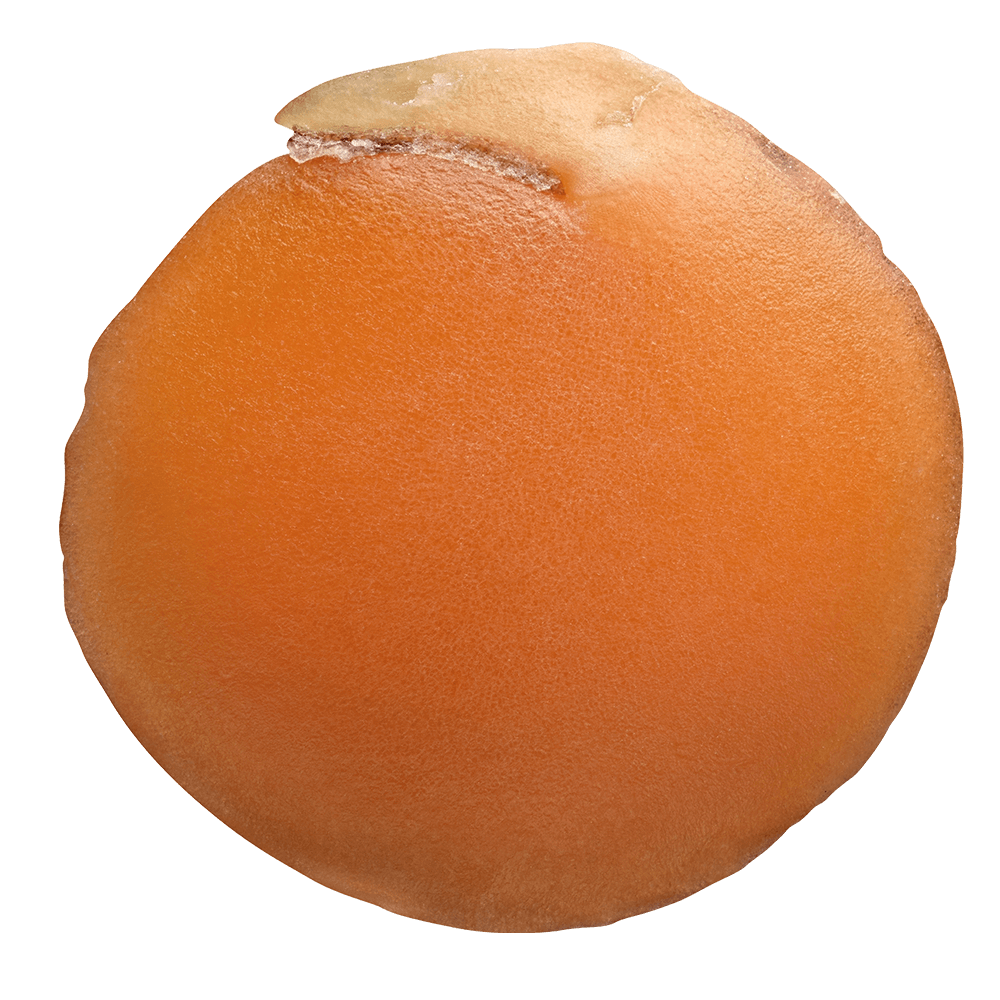
Red Lentils
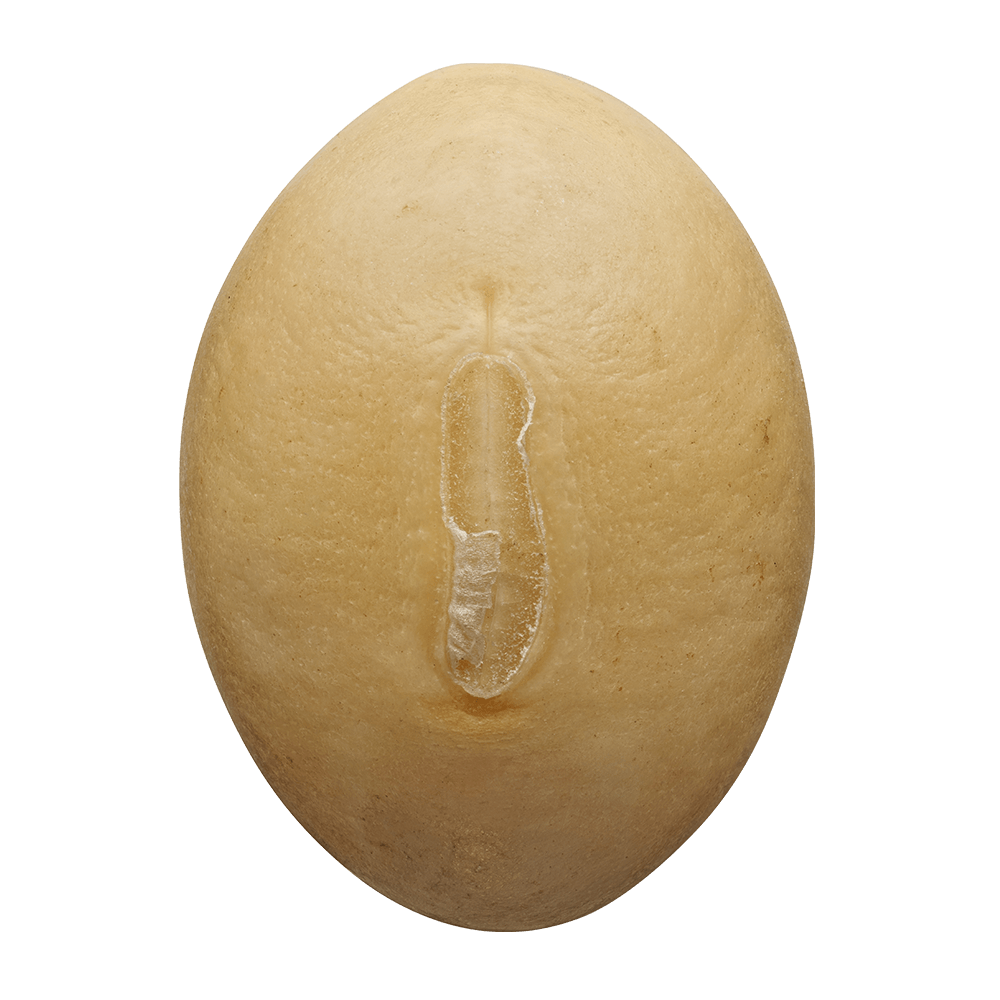
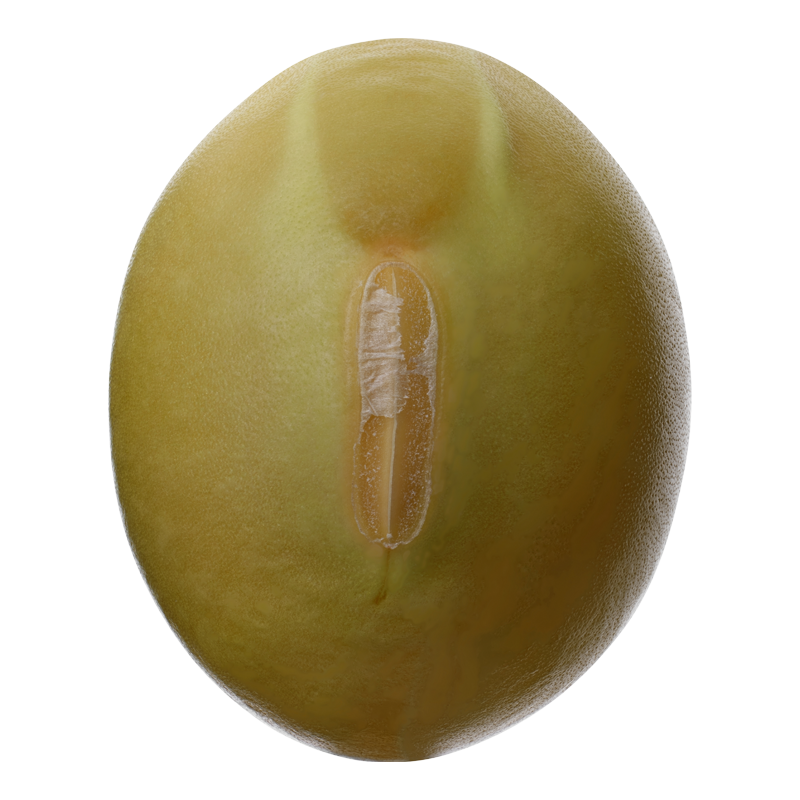
Soya
Broad beans
Lenticchia Pedina
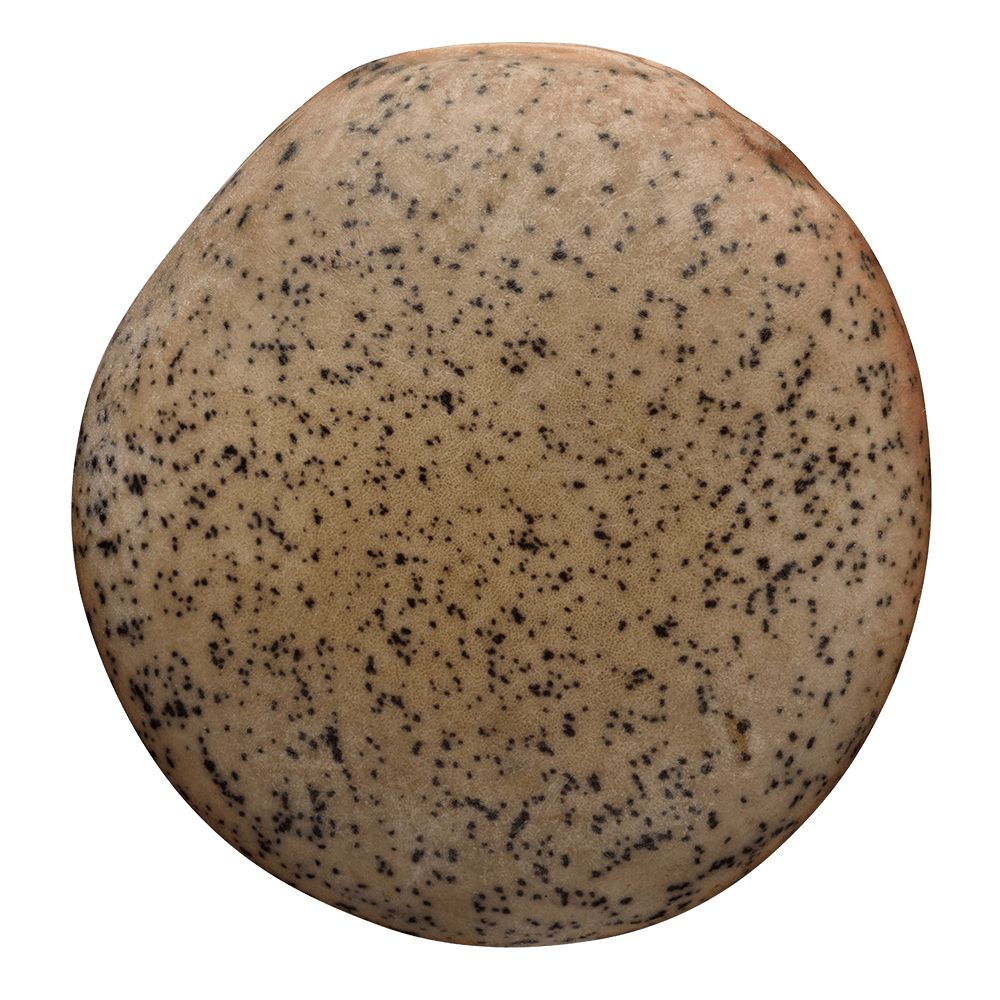
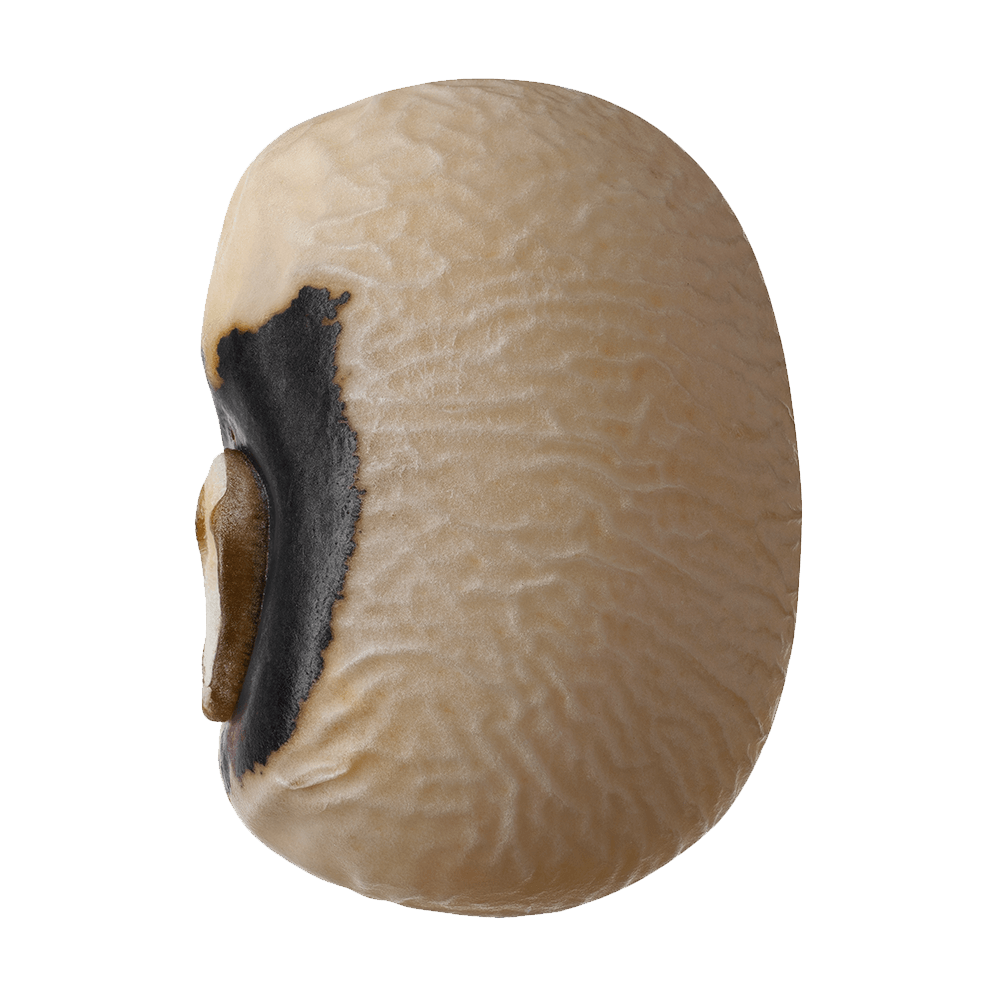
Black eyedbeans
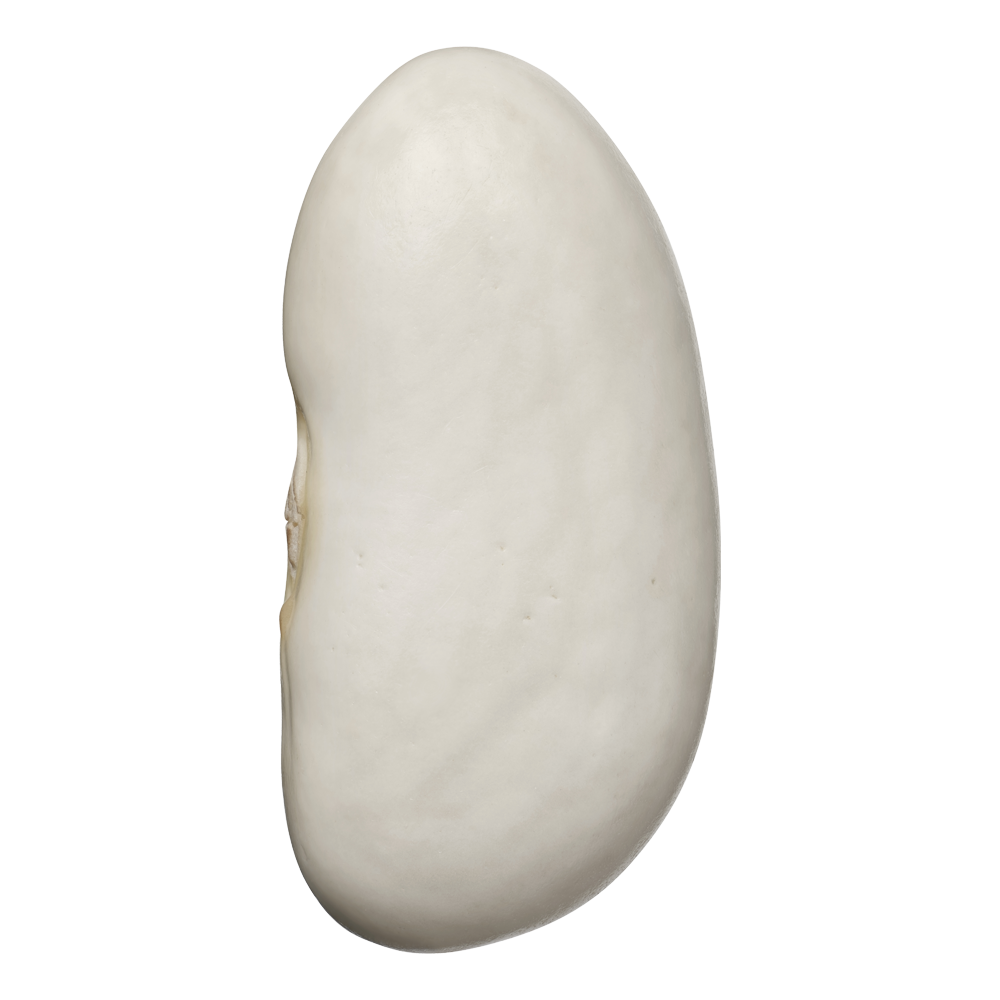
Cannellini beans
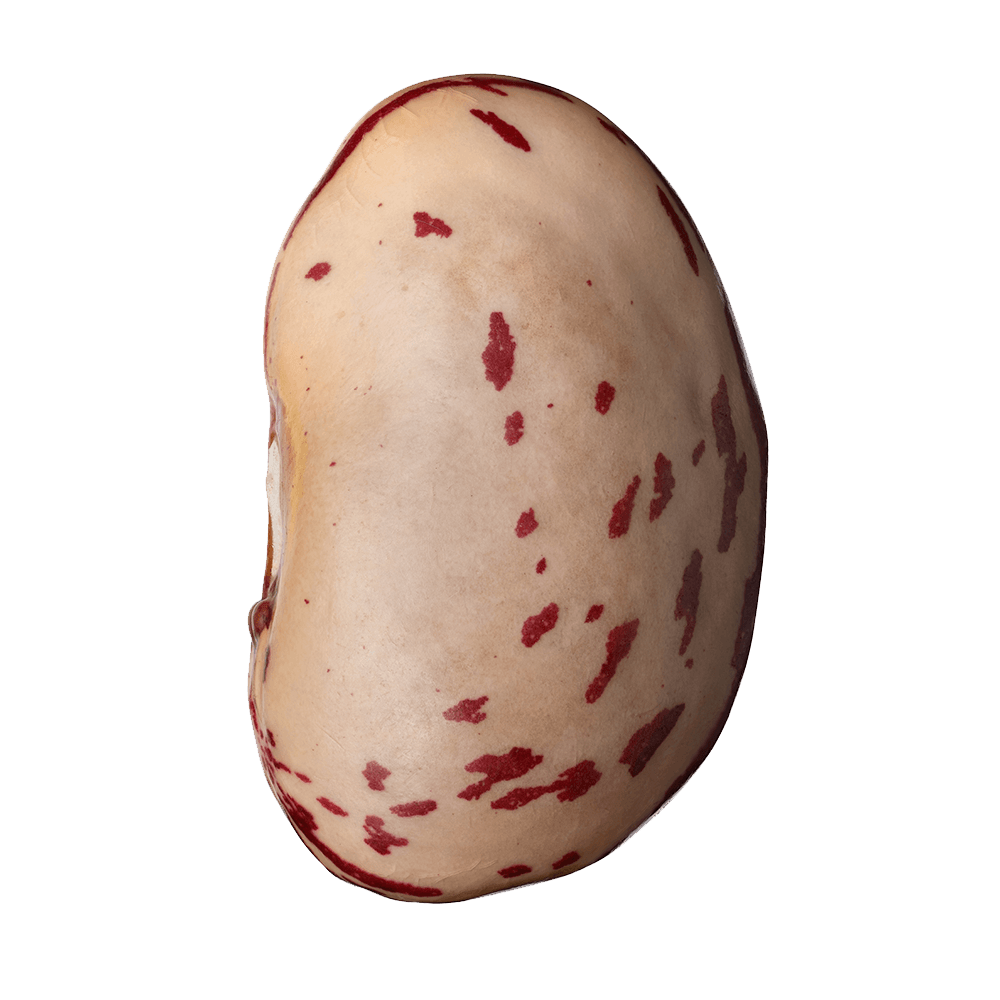
Cranberry beans
Adzuki beans
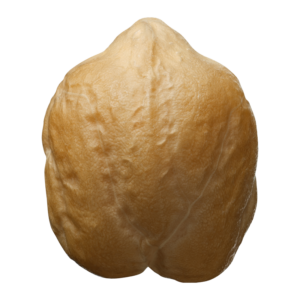
Chickpeas
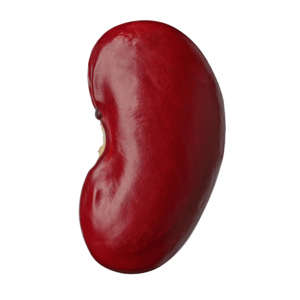
Red kidney beans
Edamame
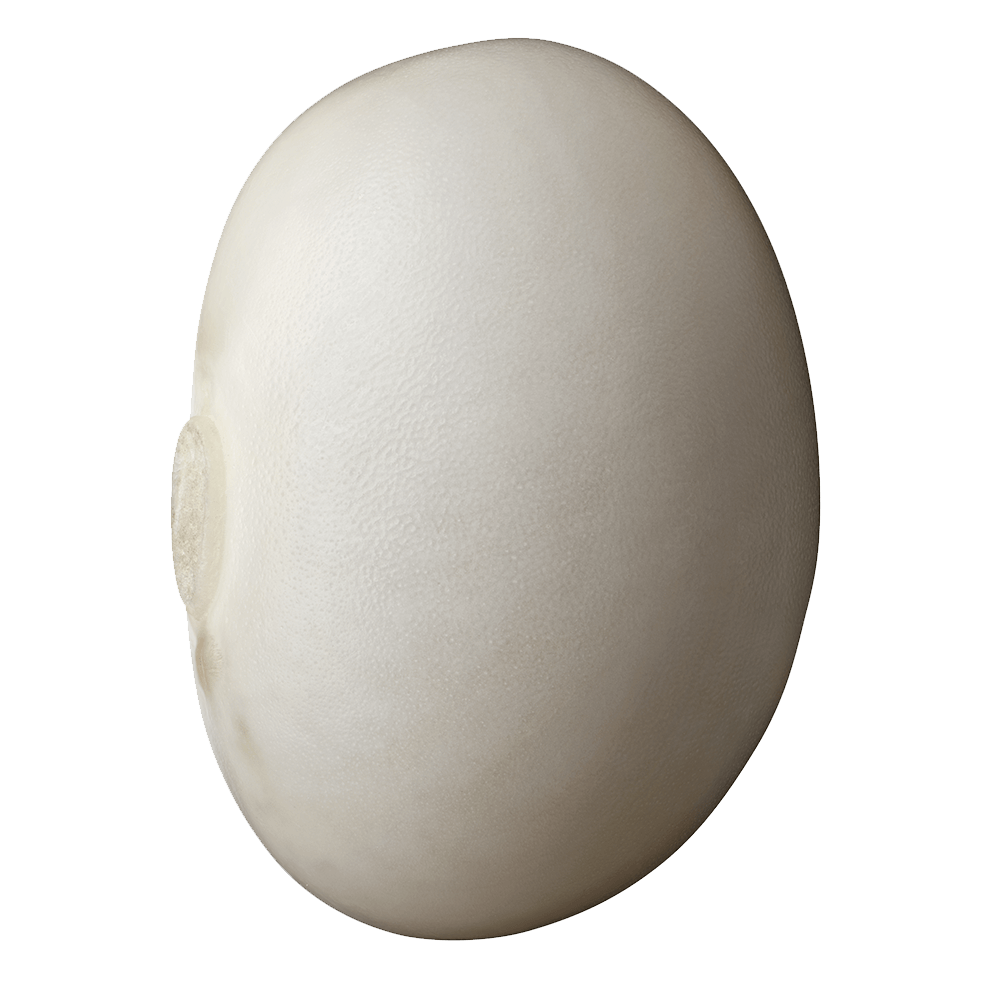
Navy beans
Lentils
This site is registered on wpml.org as a development site. Switch to a production site key to remove this banner.